NEW YORK CITY · TREATMENT GUIDE
Microdermabrasion in NYC
Refresh dull, rough-looking skin with personalized diamond-tip exfoliation at BioSkin Laser on Manhattan’s Upper East Side.
FREE CONSULTATION ↗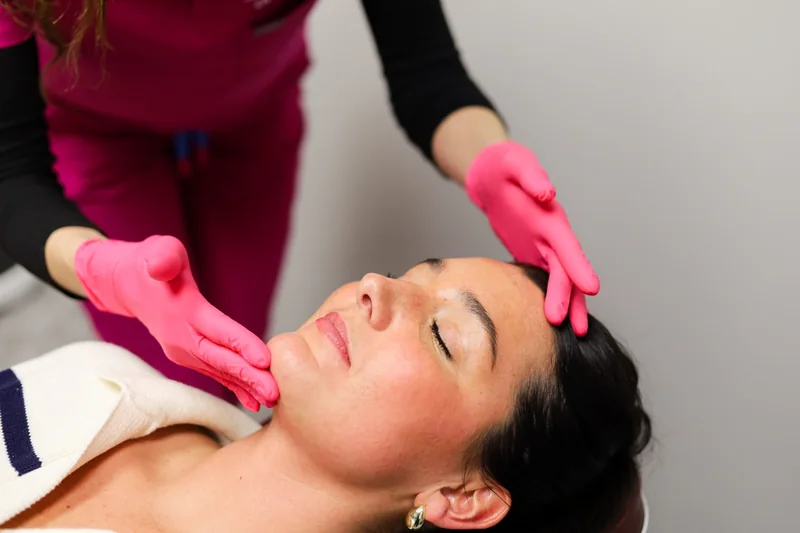
DIAMOND-TIP EXFOLIATION · UPPER EAST SIDE
A Fresh Approach to Smoother, Brighter-Looking Skin
Between changing seasons, city air, and everyday skincare routines, your complexion can sometimes appear dull or uneven. At BioSkin Laser in New York City, microdermabrasion offers a noninvasive way to gently polish the skin’s surface and remove accumulated dead skin cells. Our approach begins with your skin concerns, sensitivity, and goals—not a one-size-fits-all treatment.
Our published treatment information describes a diamond-tip microdermabrasion system: a handheld wand gently exfoliates the outermost skin layer while suction removes loosened surface debris. The goal is a softer feel and a fresher-looking complexion, without surgery or aggressive resurfacing.
What Can Microdermabrasion Help Improve?
- Dullness: surface exfoliation can reveal a more radiant appearance.
- Rough or uneven texture: skin may feel smoother after removing superficial buildup.
- Mild uneven tone: a series of sessions may soften the appearance of some superficial discoloration.
- Fine surface lines: subtle textural improvements may make them less noticeable.
- Skincare routine: your provider can help you plan a gentler routine around exfoliation and sun protection.
Microdermabrasion is not a substitute for treatment of deep acne scars, pronounced wrinkles, active inflammatory acne, or suspicious skin lesions. Depending on your goals, our team can discuss other BioSkin Laser options, including chemical peels or microneedling.
What Happens During Your Appointment?
- Skin consultation: discuss your goals, medications, skin history, recent treatments, and sensitivity.
- Gentle exfoliation: a trained provider passes the diamond-tip handpiece over suitable areas using an appropriate level of suction.
- Finishing care: your provider recommends moisturizer, sun protection, and a temporary break from irritating products if needed.
The treatment generally feels like mild polishing or suction. Many people return to normal activities right away, although temporary pinkness, tightness, or sensitivity can occur.
How Many Treatments Will I Need?
BioSkin Laser’s published guidance describes a typical course of four to ten sessions, followed by maintenance when appropriate. That is a planning range, not a promise or fixed prescription. Your recommended schedule depends on your skin, desired improvement, and response to treatment. Improvements are usually modest and temporary, so consistent sun protection and appropriate skincare matter.
Preparation, Aftercare & Safety
Tell your provider about active skin infections, cold sores, rosacea flares, recent peels or resurfacing, a tendency to scar or develop dark marks, and all medications—especially recent isotretinoin use. A changing or bleeding spot should be evaluated by a dermatologist before cosmetic treatment.
After treatment, use gentle cleanser and moisturizer, avoid picking or harsh exfoliation while the skin is sensitive, and wear broad-spectrum sunscreen. Some people develop temporary redness, swelling, or irritation; rarely, bruising or pigment changes can occur. Your provider should advise when it is safe to restart active skincare ingredients.
Microdermabrasion vs. Other Skin Treatments
| Treatment | Primary focus | What to know |
|---|---|---|
| Microdermabrasion | Surface dullness and mild rough texture | Mechanical exfoliation; typically minimal downtime |
| Chemical peels | Texture, uneven tone, and selected blemishes | Peel depth and recovery vary by formulation |
| Microneedling | Selected scars and texture concerns | Needle-based procedure with different risks and recovery |
Microdermabrasion FAQs
Discover Microdermabrasion on the Upper East Side
At BioSkin Laser, we focus on helping Manhattan clients understand their options and select care appropriate for their skin. Visit us at 220 East 63rd Street, Lobby 1, New York, NY 10065, or call 917-443-2929 to discuss a consultation.
This page is educational and does not replace an individual medical assessment. Results and suitability vary.